Why empty buildings take the worst hits
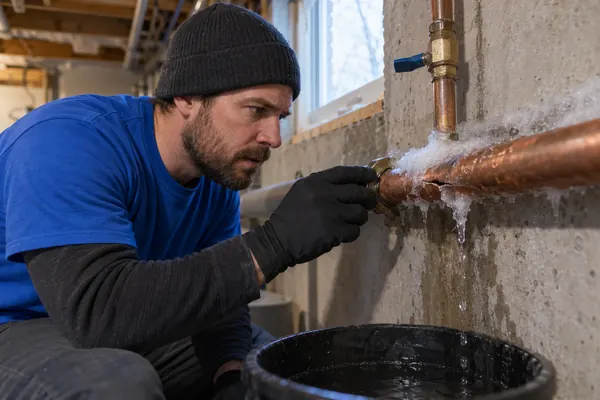
A pipe that splits while you are home gets an instant reaction. You hear it, you close the valve and the damage stays small. A pipe that splits while you are away for a week runs the whole time. It soaks floors, drips into the unit below and brings down ceilings. By the time someone opens the door, the loss is large.
We see it after holiday trips, in apartments between tenants and in top-floor units where the heat was set low to save money. The cold does not wait for anyone to come home.
Heat first
Do not turn the heat off. Set the thermostat to 60 degrees or higher and make sure the system is working before you go. Check that the boiler or furnace has fuel and that the thermostat has batteries. A dead battery on a cold night does the same thing as turning the heat off.
If you rent and the heat is controlled by the building, tell the landlord you will be away and ask whether the system will stay on. In a multi-unit building, an empty cold apartment is a danger to the units around it, because pipes run in shared walls.
Shut off and drain
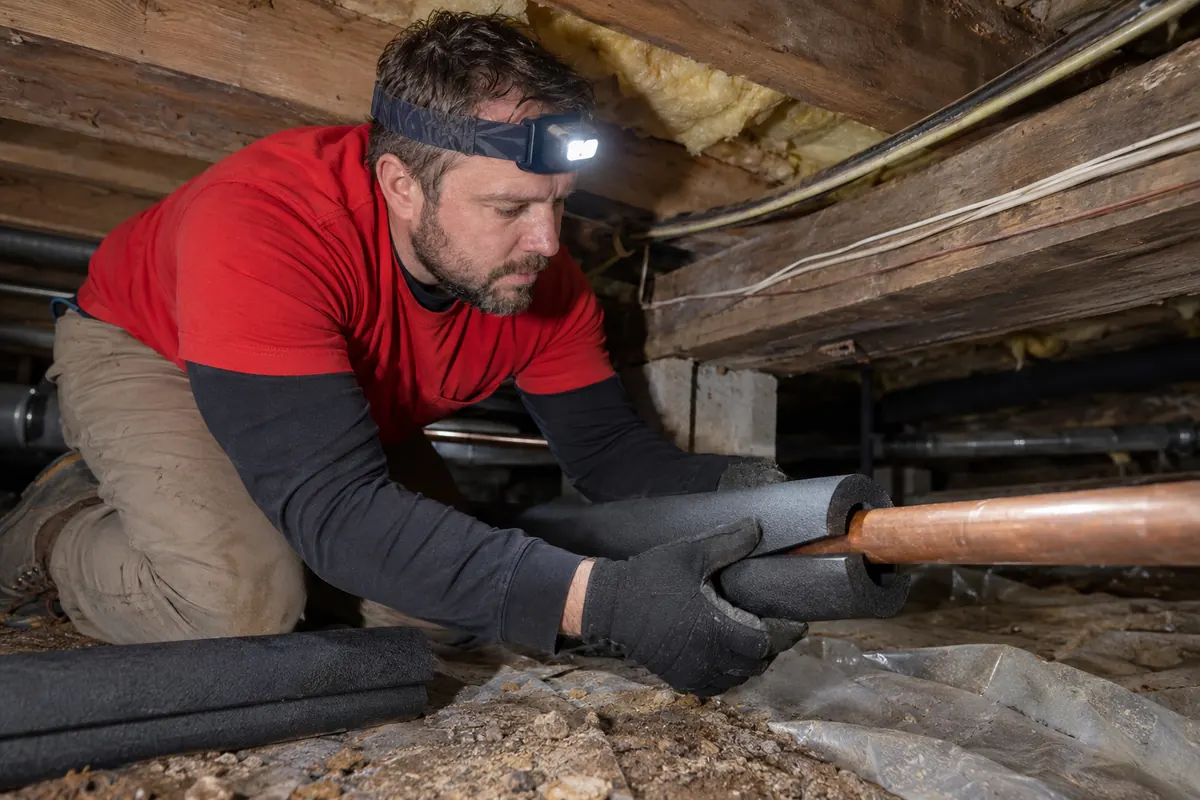
If you will be gone for more than a few days, the safest plan is to shut off the main water supply and open a faucet on the lowest floor to drain the lines. Without water in the pipes, nothing can split and flood the house. Turn off the water heater first, so the tank does not run dry and burn out an element.
This takes five minutes, and it is cheaper than a cleanup. If you have a sprinkler system or a boiler that needs water, ask a plumber how to handle those lines. For a building you manage, make winterizing a standard part of the checklist between tenants.
Get someone to look in
Ask a neighbor, relative or property manager to check the house every few days while you are away. Give them the shutoff location and your phone number. Ask them to walk through, look at ceilings and walls, and feel whether the house is warm.
A visit does not have to be long. Water on the floor, a damp smell, a dripping sound or a cold room tells them to call you and a plumber. A text with a photo is worth more than a long call. If the building is yours and vacant, build the check into your routine in the cold months.
If you come back to water
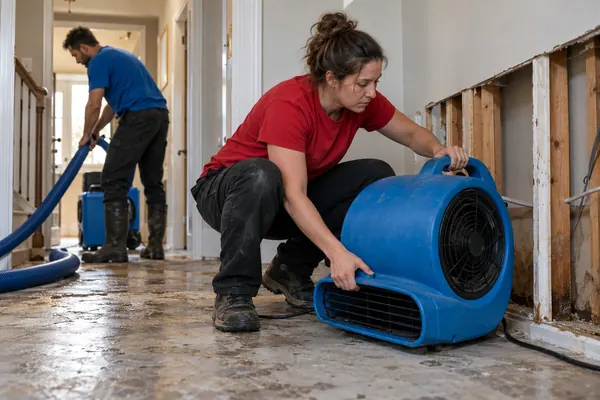
If you open the door and find water, do not rush in. Check for power: if the floor is wet near the panel, stay outside and call the utility. If you can reach the main safely, close it. Then call us. Our emergency water damage restoration crew can be on the way while you take photos from the doorway.
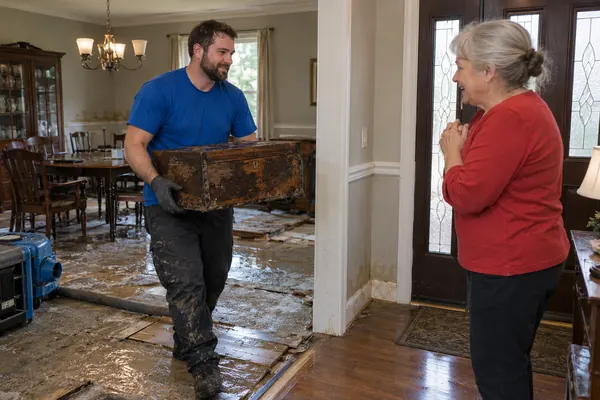
Tell us how long you were gone. Water that ran for days soaks deeper into plaster, floors and the units below, so the plan is wider and the drying is longer. We will check every floor for spread. For a building with other tenants, our apartment and multi-unit water damage page describes how we handle shared losses.
Insurance and vacancy
Many home insurance policies limit coverage when a building is vacant for 30 days or more, and some exclude freeze damage if the heat was off. Read your policy before you travel, and call your agent if you plan a long absence. Landlords with empty units should ask about vacancy rules.
Keep records of your preparations: a text to the neighbor, a photo of the thermostat, a receipt for the plumber who drained the lines. If a loss does happen, those records show you took care. Read how to prevent a freeze for a checklist you can print and hang near the door.
Quick answers
What temperature should I leave the heat at?
Sixty degrees or higher is the usual advice for an empty house in winter. A warmer setting is safer in older buildings with poor insulation.
Should I shut off the water when I travel?
For more than a few days, yes. Shut off the main, open a low faucet and shut off the water heater.
Who is responsible for a vacant rental unit?
Usually the owner or the manager. Tenants moving out should leave the heat on and report anything unusual.
Will insurance pay for a freeze while I was away?
It depends on your policy, how long you were gone and whether the heat was on. Call your agent before you travel.