Where the cold gets in on these blocks
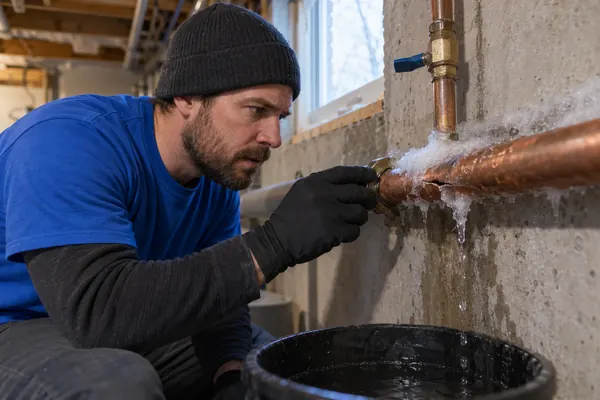
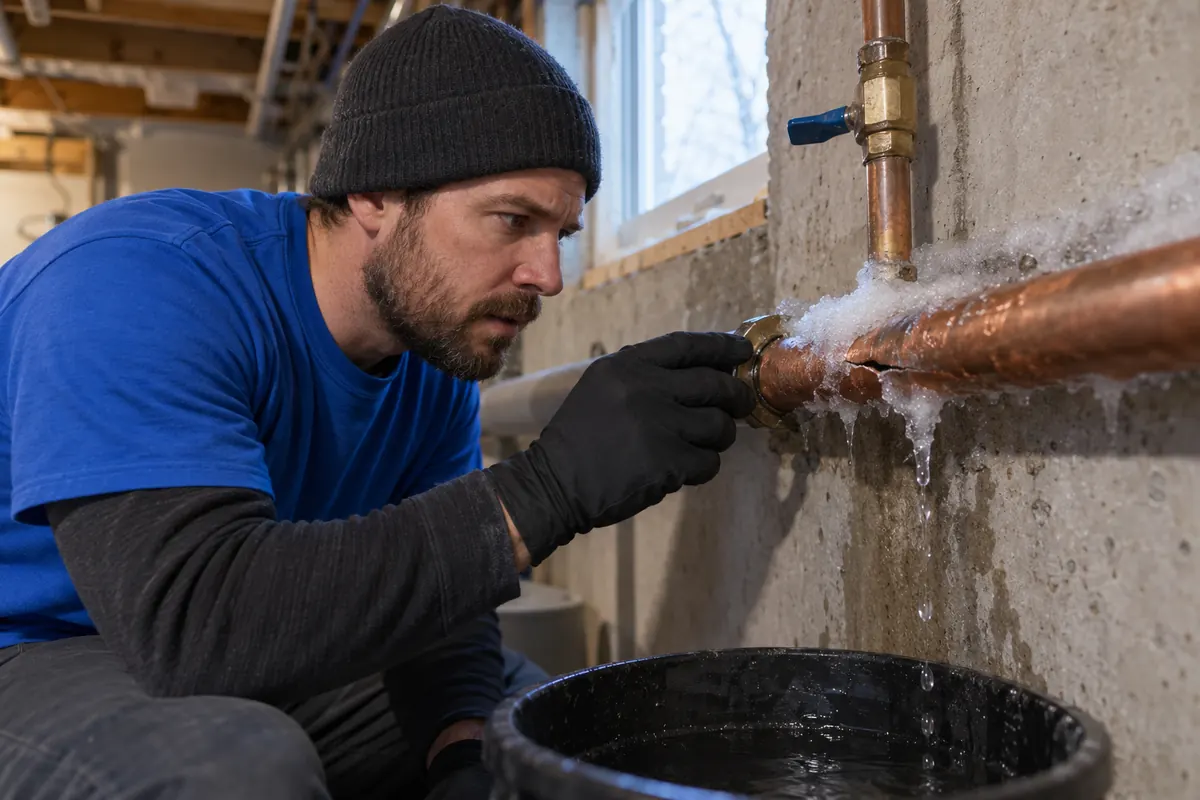
When we arrive after a freeze, the failed pipe is almost never in the warm middle of the house. It is on an outside wall of a back kitchen, in an unheated garage, along a cellar ceiling under a drafty window or in a rear extension someone added in the nineties. East Elmhurst is full of attached and semi-detached houses that were renovated in pieces, and each piece has its own insulation story.
A good habit is to walk the house on a windy cold night with your hand out. Wherever you feel moving air near a pipe, that spot needs foam, caulk or a space heater on the worst nights. If the cellar window by the meter has a cracked pane or a gap, fix it first. That single window has frozen more meters and branch lines than any other spot we see.
The simple things that work
Heat in the house is the first defense. Keep the thermostat at 60 degrees or higher, day and night, even when you are at work. A lower setting saves a few dollars and risks a four-figure cleanup. If you rent and the heat is controlled by the landlord, tell them in writing when your apartment runs cold.
Open the cabinet doors under sinks that sit against exterior walls so warm room air reaches the pipes. Let the faucet farthest from the main drip a little on the coldest nights. Moving water is harder to freeze, and a drip also relieves pressure if ice does form. A thin stream is enough, about the width of a pencil lead.
Garages, cellars and back rooms
Close the garage door and keep it closed. Seal gaps around cellar windows and rim joists with caulk or foam, and cover any bare pipe you can see with foam sleeves from a hardware store. They cost a few dollars per length and take minutes to put on.
Unheated back rooms and enclosed porches are another weak spot. If a supply line runs through one, put a small space heater with a tip-over shutoff nearby on the coldest nights, and keep it away from anything that burns. If you cannot protect a line, ask a plumber about rerouting it or adding heat tape rated for the pipe.
Outdoor spigots and hoses
Disconnect garden hoses before the first hard freeze. A hose left attached traps water inside the spigot, and the ice splits the pipe behind the wall. The leak does not show up until spring, when the water is turned on and starts spraying inside the wall.
If your spigot is not a frost-proof type, shut the interior valve that feeds it and drain the line. If you cannot find that valve, ask a plumber to show you. It is one of the easiest ways to avoid a surprise flood in March.
Know your shutoff before you need it
Most people have never turned their main shutoff. Find it now. In many Queens homes it is on the basement wall near the water meter, or in a utility closet near the front of the house. Turn the handle once to make sure it moves, then turn it back. A valve that has not moved in twenty years can stick or snap when you need it.
Write the location on a piece of tape and stick it near the door. If a pipe does split, the first sixty seconds decide how large the cleanup will be. We cover what to do in more detail in the first 60 minutes after a burst pipe.
If you are going away
Winter trips are when pipes cause the most damage, because nobody is home to hear them. Leave the heat on at 60 or above, shut off the main water supply if you will be gone more than a few days, and ask someone to check the house. Our post on leaving a home or unit empty in winter covers this in more detail.
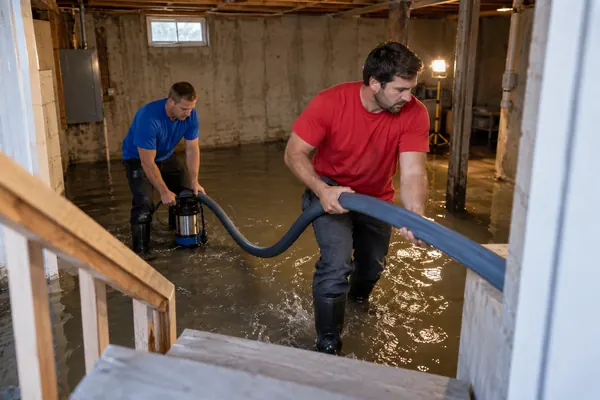
If a pipe does freeze and split, call a plumber for the repair and a restoration crew for the water. Our frozen and burst pipe cleanup service pumps out the water and dries the structure while the plumber works. The sooner the drying starts, the more material stays in place.
Quick answers
How cold does it have to get for pipes to freeze?
Pipes in exposed spots can freeze when the outside air stays in the low 20s for several hours, and sooner with wind. Pipes in unheated garages and exterior walls go first.
Does a dripping faucet really help?
Yes. Moving water is harder to freeze, and a small drip relieves pressure between a plug of ice and a closed fixture. Use the faucet farthest from the main.
Should I turn off the water at night?
Usually not, if the house is heated and occupied. If you will be away for several days, shutting off the main and draining the lines is a better plan.
Who do I call if a pipe splits?
Close the main, call a plumber to repair the line, and call a crew to remove the water and dry the structure. Do both calls at once so neither waits on the other.