Why leaks cross units in East Elmhurst buildings
Queens has many renters, and East Elmhurst has plenty of two-family houses, small apartment buildings and attached homes with a unit stacked over another. Water moves down through floors, pipe chases and shared walls to every unit below.
Older buildings often have plaster ceilings, cast iron stacks and long vertical pipe runs. One failure upstairs can reach three floors of walls within an afternoon.
Signs the water is coming from somewhere else
Not every leak starts in your unit. Look for:
- A ceiling stain that grows while your own plumbing is quiet
- A wall you share with a neighbor that feels damp
- Water dripping from a ceiling light or exhaust fan
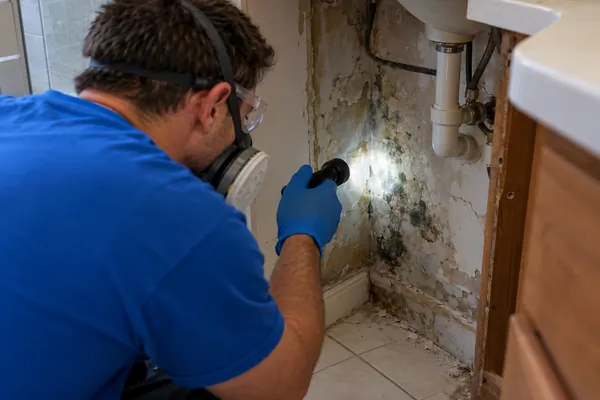
- Dampness along a bathroom wall that backs onto another unit
- Musty odors that rise when upstairs tenants run water
- Paint blisters near a pipe chase or a radiator riser
Problems in multi-unit buildings
- Locked units that block the source check
- Water traveling through pipe chases to lower floors
- Several insurers and one set of records
- Tenants who need to stay in the building during work
How we manage a shared loss
Meet the contacts
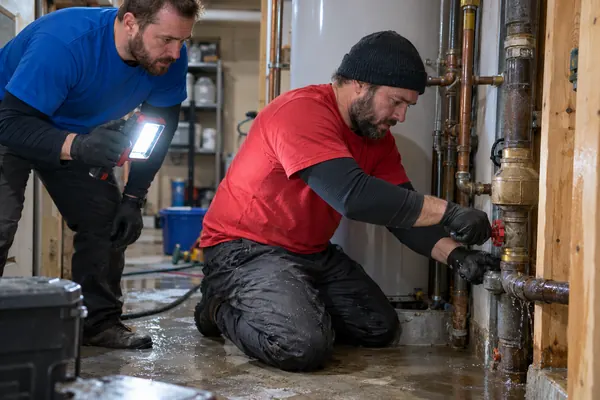
We ask who owns the building, who manages it and who holds keys, so work does not stall at a locked door.
Trace the path
We check the unit above, the pipe chase and the wall cavities to see how the water traveled.
Scope each unit
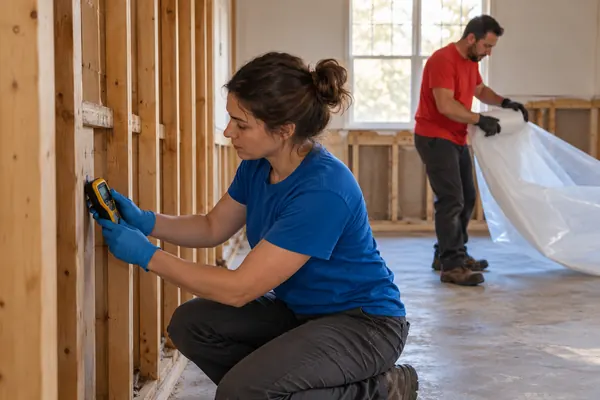
Every wet unit gets its own moisture map, photos and scope, which keeps costs and claims clear.
Extract and open
Standing water comes out, and wet ceiling and wall material is opened where needed.
Dry every unit
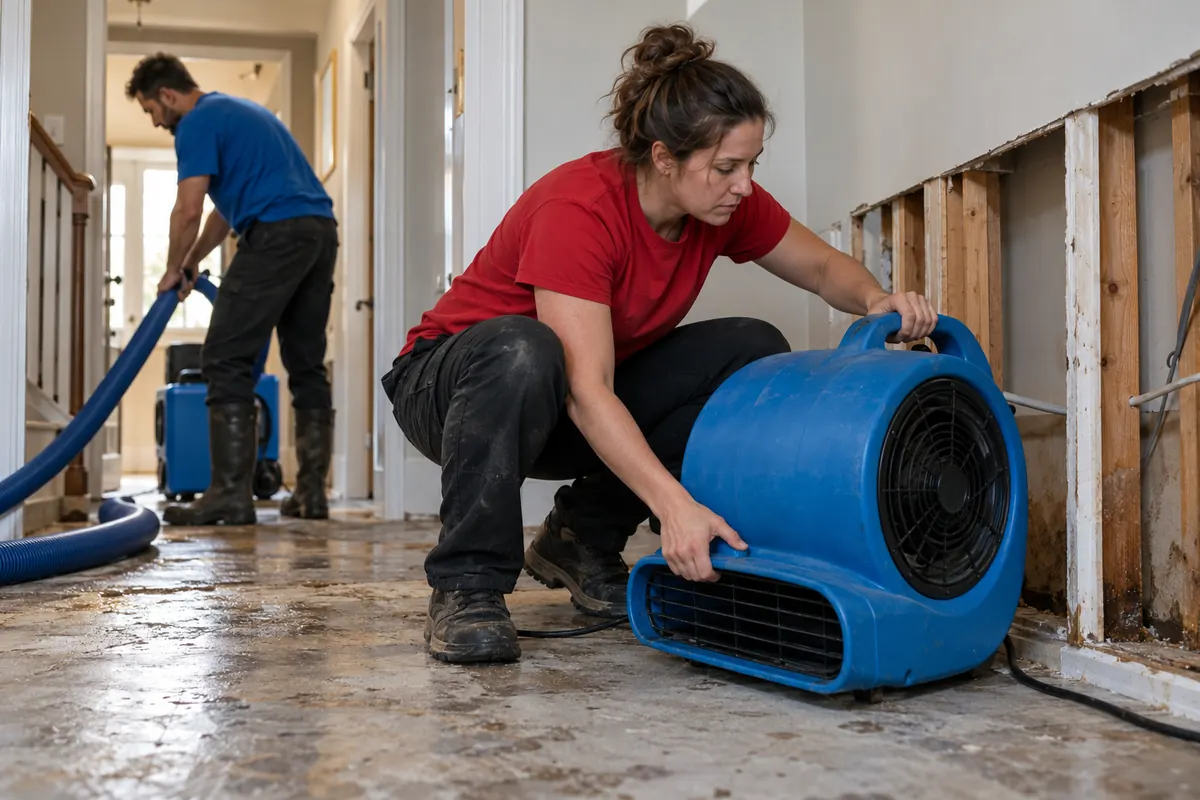
Equipment goes in per unit, with cords and hoses kept out of hallways and exits.
Keep everyone posted
Tenants and managers get plain updates on timing, access and when each unit is ready.
For tenants and for landlords
- Tell the landlord, manager or super right away, in writing
- Shut off water inside your unit if the source is there
- Move belongings out from under a wet ceiling or wall
- Photograph your damaged things and the unit
- Keep your renters insurance details handy
- Landlords: call the plumber and a restoration crew in the same hour
One file per unit
A shared loss involves an owner, a manager, tenants and often two insurers. We keep a separate file for each unit with photos, moisture readings and a written scope, so everyone works from the same facts.
If you manage a building, tell us who approves work and who pays. A clear approval path saves days, and days matter when plaster and framing are wet.
Apartment water damage cost in East Elmhurst
A typical estimate for a single apartment unit in the New York City area runs $1,500 to $8,500, and each additional unit is scoped on its own. These are not guaranteed prices. Call for an exact quote. See all price ranges.
Questions we hear about this
Who pays in a rental?
It depends on the cause and the lease. Under New York law a landlord generally must keep a unit livable, and a tenant's policy covers the tenant's belongings. This is not legal advice.
What if the leak came from upstairs?
We note the path, document your unit and help you share records with the landlord and the upstairs unit's insurer.
Can you work around people living there?
Often yes. We schedule access, protect belongings and keep walkways clear.
Do you cover halls and shared areas?
Yes. Hallways, stairwells and shared cellars are scoped as part of the job.
What if the other unit is locked or empty?
We work with the owner or manager to get in. Without access, we cannot finish the source check.
Read next Not sure who is responsible? Read about rental water damage for tenants and landlords in New York.