What changes drying time
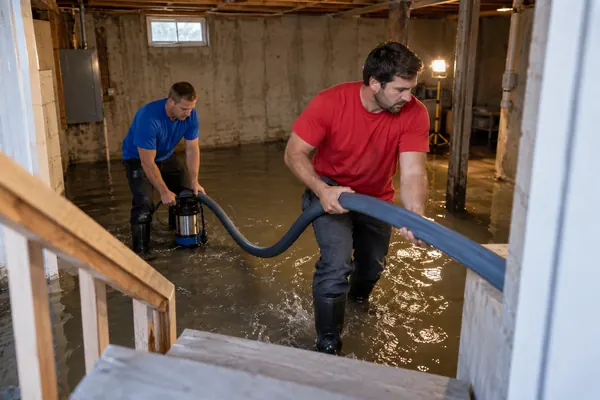
Standing water leaves a room in hours. The moisture inside materials takes days. Carpet and drywall give it up quickly. Oak floors and old plaster take longer, and the block and brick walls of a typical East Elmhurst cellar hold water the longest.
Warm, dry air dries faster than cold, damp air. In a humid summer, drying takes longer unless dehumidifiers pull the vapor out. In winter, heat matters, and opening windows only helps the cold air in.
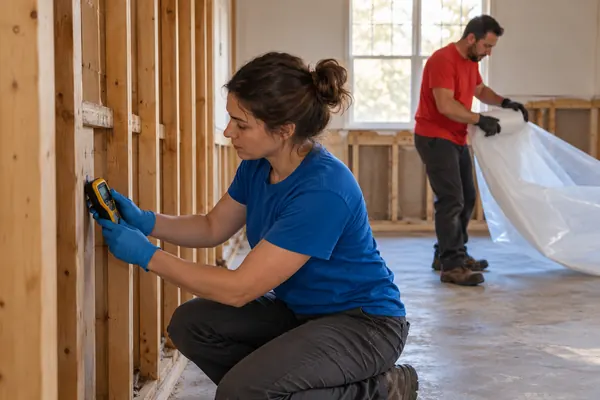
Equipment makes the biggest difference. Household fans move air but do not remove moisture. Commercial air movers and dehumidifiers, sized to the room, shorten the job. A crew reads the materials every visit and removes equipment when the readings reach the dry goal.
Questions about this tool
How accurate is the estimate?
It is a typical range. Your building, the amount of water and the readings decide the real number of days.
Can I dry a wet cellar with a household dehumidifier?
It helps keep the air dry, but it will not dry a soaked block wall or slab in a reasonable time. Commercial equipment does.
Why is block so slow?
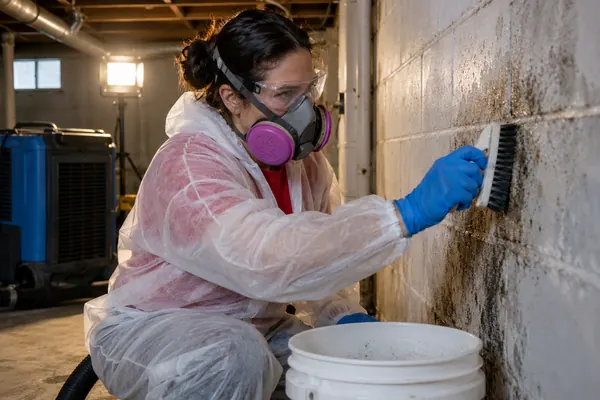
Masonry stores water and releases it slowly, and cellar air is often cool and damp.
How do you know when it is dry?
A meter reads the material and we compare the number to dry material in the same building.
Read next Dry All Year, Flooded in a Thaw: Why Cellars Take On Water.